



Tire Installation Best Practices for VW Drivers around Chino Hills, CA
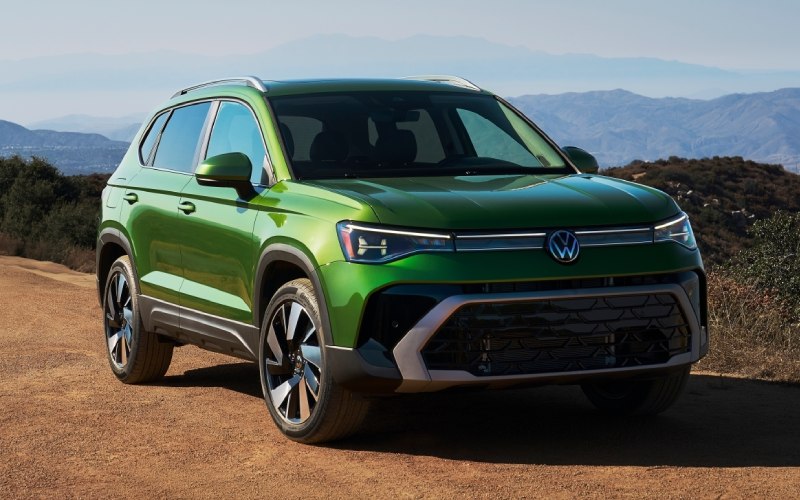
Puente Hills Volkswagen – Tire Installation Best Practices for VW Drivers around Chino Hills, CA
Few services unlock as much day-to-day confidence as a properly installed set of tires. For Volkswagen drivers, installation is not just about mounting rubber to wheels; it is about aligning your vehicle’s chassis tuning with tires engineered to support precise steering, balanced braking, and quiet refinement. The right procedures—performed in the right order—help your Jetta track straight on the 71, your Tiguan stay composed on surface streets, and your ID.4 retain its serene cabin character. Below are the practices our team prioritizes to keep your Volkswagen driving as intended.
- Correct torque and pattern: Lug hardware tightened to factory spec in a star sequence protects rotors and hubs.
- Road-force balancing: Combines spin balance with force variation measurement to curb vibration at speed.
- TPMS service and relearn: New valve components installed as needed and sensors synced to your VW.
- Clean hub mating surfaces: Rust and debris removed to maintain wheel concentricity and proper torque retention.
- Tread direction and rotation: Directional or asymmetric patterns oriented properly for water evacuation and grip.
- Alignment review: Wear patterns assessed; recommendations provided to protect tire life and steering feel.
After installation, we recommend a short break-in period—generally 300–500 miles—so compounds can fully settle and mold-release agents wear away, improving grip. During this period, avoid abrupt braking or hard cornering when possible. Plan on a rotation every 5,000–7,500 miles and check pressures monthly, including the spare when equipped. Proper inflation supports even wear, sharper turn-in, and more consistent braking. For EVs like the ID.4, reinforced tires with lower rolling resistance preserve range and handle the vehicle’s torque and weight demands while still delivering traction in sudden stops.
Wondering if it is time for new tires? Use this quick checklist during your next walkaround:
- Tread depth: If the tread is at or below 2/32 inch, replacement is due; 4/32 inch is the caution zone for wet braking.
- Uneven wear: Outer-shoulder wear can signal underinflation or alignment needs; cupping may indicate suspension concerns.
- Age and cracks: Sidewall cracking or a tire older than six years often warrants replacement, even if tread remains.
- Vibration or pull: Steering shake or drift can point to balance, alignment, or internal tire issues.
Frequently Asked Questions:
Do I need road-force balancing on every install?
While not mandatory, road-force balancing helps identify stiffness variations and high spots that standard balancing can miss, especially noticeable on smooth freeways and at higher speeds.
Why is torque so important?
Over-torquing can warp rotors or stretch studs; under-torquing risks wheel movement. Correct torque protects components and ensures consistent braking.
Should I align with every new set?
An alignment check is highly recommended. New tires can mask mild misalignment at first, but a quick check helps prevent edge wear and preserves steering precision.
At Puente Hills Volkswagen, we combine VW-Certified Technicians, model-specific procedures, and equipment designed to protect your wheels and braking system. That means tire installs that feel right from the first mile and stay right over the long run. With tire guidance and installation support serving City of Industry, Chino Hills, and Brea, we help you match the right VW-approved tire to the way you actually drive—then mount it to factory spec so your Volkswagen feels composed, quiet, and responsive every day.
0 comment(s) so far on Tire Installation Best Practices for VW Drivers around Chino Hills, CA